As Cost Breakdown: What You Need to Know Before Replacing Your Roof takes center stage, this opening passage beckons readers with a captivating overview of the topic, setting the stage for an informative discussion on the intricacies of roof replacement costs.
The subsequent paragraph delves deeper into the nuances of roof replacement costs, shedding light on key components and factors that influence the overall expense.
Cost Breakdown of Roof Replacement
Replacing a roof involves various key components that contribute to the overall cost breakdown. Understanding how these costs are distributed can help homeowners make informed decisions when planning a roof replacement project.
Materials
When replacing a roof, the cost of materials is a significant portion of the overall expenses. The type of roofing material chosen, such as asphalt shingles, metal, or tile, will greatly impact the total cost. For example, metal roofing tends to be more expensive than asphalt shingles, but it also offers increased durability and longevity.
Labor
Another essential component of the cost breakdown is labor. The complexity of the roof design, the size of the roof, and the time required for installation will all influence the labor costs. Hiring experienced and skilled roofing professionals may come at a higher price, but it ensures quality workmanship and a longer-lasting roof.
Permits and Other Expenses
In addition to materials and labor, homeowners should also consider permits and other miscellaneous expenses in the cost breakdown. Obtaining the necessary permits for a roof replacement project can add to the overall cost. Other expenses may include disposal fees for old roofing materials, equipment rentals, or any unexpected repairs that arise during the project.
Cost Breakdown Scenarios
The cost breakdown of replacing a roof can vary based on factors such as roof size and material choices. For example, a smaller roof with standard asphalt shingles may have a lower overall cost compared to a larger roof with premium metal roofing.
It's important for homeowners to consider their budget, preferences, and long-term goals when determining the cost breakdown for their roof replacement project.
Factors Influencing Roof Replacement Costs
When considering the cost of replacing a roof, several factors come into play that can significantly impact the overall price. Understanding these key factors can help homeowners make informed decisions when planning for a roof replacement project.
Roof Size and Pitch
The size and pitch of a roof are major determinants of the overall cost of replacement. Larger roofs require more materials and labor, leading to higher costs. Additionally, roofs with steeper pitches are more challenging to work on and may require specialized equipment, contributing to increased expenses.
Material Quality and Type
The quality and type of roofing materials chosen for the replacement can also influence costs. High-quality materials tend to be more expensive but offer better durability and longevity, potentially reducing long-term maintenance costs. Different materials, such as asphalt shingles, metal, or cedar shakes, come at varying price points, impacting the total cost of the project.
Additional Features
The presence of additional features on a roof, such as skylights, chimneys, or vents, can add complexity to the replacement process and affect the overall cost. These features require careful integration into the new roof system, which may involve extra labor and materials.
As a result, homeowners should consider the presence of such features when estimating the cost of a roof replacement project.
Labor Costs and Considerations
When it comes to replacing your roof, labor costs are a significant factor that can greatly impact the overall price of the project. Understanding how labor costs are calculated, the importance of hiring qualified professionals, and tips for negotiating these costs can help you make informed decisions.
Calculating Labor Costs
Labor costs are typically calculated based on the size of the roof, the complexity of the job, and the hourly rates of the roofing professionals involved
Hiring Qualified Professionals
Hiring qualified and experienced roofing professionals is crucial to the success of your roof replacement project. While it may be tempting to opt for cheaper labor, hiring unqualified workers can lead to costly mistakes and subpar results. Make sure to research and hire reputable roofing companies with good reviews and proper credentials.
Negotiating Labor Costs and Ensuring Transparency
When it comes to negotiating labor costs, it's essential to get multiple quotes from different roofing companies to compare prices. Remember that the cheapest option is not always the best, as quality workmanship is key to a long-lasting roof. Ensure that the quote includes a breakdown of labor costs, materials, and any additional fees to avoid any surprises down the line.
Material Costs and Options
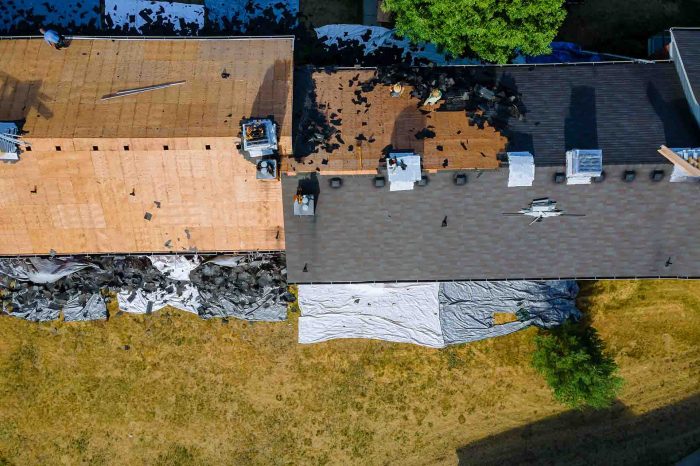
When it comes to replacing your roof, choosing the right material is crucial not only for the overall look of your home but also for its durability and maintenance costs in the long run.Asphalt Shingles:Asphalt shingles are the most common roofing material due to their affordability.
They are easy to install and come in a variety of colors. However, they have a shorter lifespan compared to other materials and may require more frequent repairs and maintenance.Metal Roofing:Metal roofs are becoming increasingly popular for their longevity and energy efficiency.
While they may have a higher upfront cost, they require minimal maintenance and can last for 50 years or more. They are also environmentally friendly and can help reduce energy costs.Tile Roofing:Tile roofs are known for their durability and aesthetic appeal.
They come in various styles such as clay, concrete, and slate. While they are more expensive than asphalt shingles, they have a longer lifespan and require little maintenance. However, they may be prone to cracking under certain conditions.Wood Shingles/Shakes:Wood shingles and shakes offer a natural and rustic look to your home.
They are environmentally friendly and can last up to 30 years with proper maintenance. However, they are more susceptible to rot, mold, and insect damage, requiring regular upkeep to prolong their lifespan.Choosing the Right Material:When selecting a roofing material, consider your budget, the climate in your area, and the longevity you desire.
While asphalt shingles may be a cost-effective option, metal or tile roofing may offer better durability and energy efficiency in the long term. It's essential to weigh the upfront costs against the maintenance expenses over time to make an informed decision for your roof replacement project.
Final Thoughts
In conclusion, Cost Breakdown: What You Need to Know Before Replacing Your Roof encapsulates essential insights into the financial aspects of roof replacement, equipping readers with valuable knowledge to make informed decisions about their roofing projects.
FAQ Insights
What are some key components involved in the cost breakdown of replacing a roof?
Key components include materials, labor, permits, and other expenses.
How do labor costs impact the overall cost of a roof replacement project?
Labor costs are a significant factor and hiring qualified professionals can affect the total cost.
What are the maintenance costs associated with different roofing materials?
Maintenance costs vary depending on the material type, with some requiring more upkeep than others.