Embark on a journey through The Ultimate Guide to Choosing Energy-Efficient Windows and Doors, where we delve into the realm of energy efficiency and its impact on your home. From reducing costs to maximizing comfort, this guide covers everything you need to know about selecting the right windows and doors for your space.
Energy-Efficient Windows
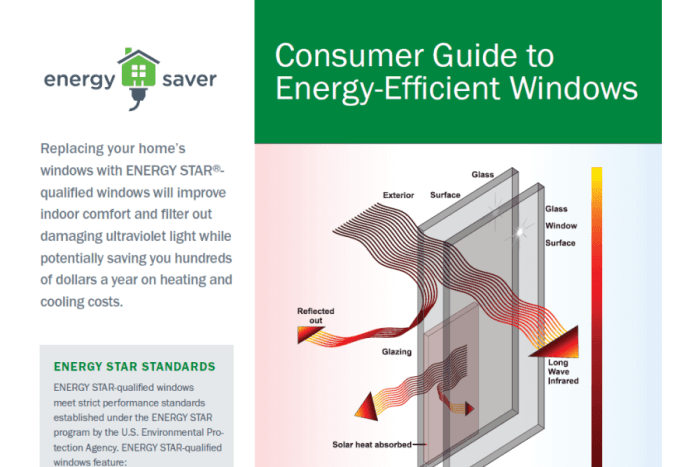
Energy-efficient windows play a crucial role in reducing heating and cooling costs in homes and buildings. By incorporating these windows, you can improve insulation, reduce energy consumption, and ultimately save on utility bills.
Types of Energy-Efficient Windows
- Double-Pane Windows: These windows have two layers of glass with a space in between filled with argon or krypton gas, providing better insulation.
- Low-E Coating Windows: These windows have a low-emissivity coating that reflects heat while allowing light to pass through, helping maintain indoor temperatures.
- Triple-Pane Windows: Similar to double-pane windows but with an additional glass layer, offering even better insulation properties.
Importance of Window Placement
- South-Facing Windows: These windows receive the most sunlight during the day, making them ideal for maximizing solar heat gain in colder months.
- Proper Sealing: Ensuring windows are properly sealed and caulked can prevent air leakage, maintaining a consistent indoor temperature.
- Shading: Using external shading devices like awnings or trees can help reduce heat gain in the summer, improving overall energy efficiency.
Energy-Efficient Doors
When it comes to energy efficiency in your home, doors play a crucial role in maintaining insulation and reducing energy loss. Choosing the right energy-efficient doors can help you save on heating and cooling costs while ensuring a comfortable living environment.
Materials for Energy-Efficient Doors
- Fiberglass: Fiberglass doors are known for their energy efficiency and durability. They provide excellent insulation and are resistant to warping, cracking, and rotting.
- Wood: Wooden doors offer a classic and elegant look while providing good insulation. However, they require regular maintenance to prevent warping and rotting.
- Steel: Steel doors are highly durable and secure, but they are not as energy-efficient as fiberglass or wood. Adding a thermal break can improve their insulation properties.
Choosing the Right Style and Design
- Climate Consideration: In colder climates, opt for doors with a higher R-value to prevent heat loss. Look for doors with weather stripping and energy-efficient glass to enhance insulation.
- Entryway Orientation: For doors that face south, consider using materials that can withstand direct sunlight and UV exposure. In contrast, doors facing north may require better insulation to combat cold drafts.
- Airtight Seals: Ensure that the door frame is properly sealed to prevent air leakage. Look for ENERGY STAR certified doors that meet strict energy efficiency guidelines.
Energy Ratings and Certifications
When selecting energy-efficient windows and doors, it is important to consider the various energy ratings and certifications available in the market. These ratings and certifications can help you determine the overall energy efficiency of the products you are considering.
Common Energy Ratings and Certifications
- ENERGY STAR: ENERGY STAR is a widely recognized certification that signifies a high level of energy efficiency. Products with the ENERGY STAR label meet strict energy performance criteria set by the Environmental Protection Agency (EPA).
- U-Factor: The U-Factor measures how well a window or door prevents heat from escaping a home. A lower U-Factor indicates better insulation and energy efficiency.
- Solar Heat Gain Coefficient (SHGC): The SHGC measures how well a window blocks heat from the sun. A lower SHGC is ideal for warmer climates to reduce cooling costs.
- Visible Transmittance: Visible Transmittance measures how much visible light passes through a window. Higher visible transmittance means more natural light enters a space.
Interpreting Energy Performance Ratings
When selecting windows and doors, aim for low U-Factor and SHGC values, and consider the right balance of visible transmittance based on your preferences.
Significance of ENERGY STAR Certification
- ENERGY STAR certification ensures that the windows and doors meet stringent energy efficiency standards, helping homeowners save on energy costs and reduce their carbon footprint.
- By choosing ENERGY STAR certified products, you can be confident that you are investing in quality, energy-efficient windows and doors that will provide long-term benefits for your home.
Installation and Maintenance

Proper installation and regular maintenance are crucial for maximizing the energy efficiency of windows and doors. Without correct installation, even the most energy-efficient products may not perform as expected. Additionally, neglecting maintenance can lead to issues that compromise the efficiency and longevity of windows and doors.
Proper Installation Guide
- Ensure that the window or door fits snugly in the opening to prevent air leaks. Use shims to make adjustments if necessary.
- Apply a continuous bead of caulk around the frame to seal any gaps between the window or door and the wall.
- Secure the window or door in place with screws or nails according to the manufacturer's instructions.
- Check for proper insulation around the frame to prevent heat loss or gain.
Maintenance Tips
- Regularly clean the glass, frame, and hardware of windows and doors to remove dirt and debris that can affect performance.
- Inspect weather stripping and seals for any signs of wear or damage, and replace as needed to maintain a tight seal.
- Lubricate hinges, locks, and rollers to ensure smooth operation and prevent unnecessary strain on the components.
- Check for any cracks or gaps in the frame or glass and repair them promptly to prevent air leakage.
Conclusive Thoughts
As we conclude our exploration of The Ultimate Guide to Choosing Energy-Efficient Windows and Doors, remember that the choices you make today can shape a more sustainable and comfortable tomorrow. With the right knowledge and tools at your disposal, you can transform your living space into a haven of energy efficiency and style.
Questions and Answers
What are the benefits of energy-efficient windows?
Energy-efficient windows help reduce heating and cooling costs, improve comfort levels, and contribute to a more sustainable environment.
How do I interpret energy performance ratings like U-factor?
The U-factor measures the rate of heat loss through a window. The lower the U-factor, the better the window is at insulating.
Why is proper installation important for energy-efficient windows and doors?
Proper installation ensures that windows and doors function optimally, preventing energy loss and maximizing efficiency.