When it comes to structural repair contractors, finding the right team can make all the difference in the success of your construction project. From fixing damaged structures to implementing innovative techniques, these professionals play a crucial role in the industry.
Let's delve into the world of structural repair contractors and explore what sets them apart in the construction realm.
Overview of Structural Repair Contractors
Structural repair contractors play a crucial role in the construction industry by specializing in repairing, modifying, and renovating existing structures to ensure their safety, stability, and longevity. These contractors are skilled professionals who are trained to assess, diagnose, and address a wide range of structural issues in buildings and infrastructure.
Common Tasks Performed by Structural Repair Contractors
- Foundation repairs: This includes fixing cracks, settling, or shifting foundations to prevent further damage to the structure.
- Structural reinforcements: Adding support beams, columns, or braces to strengthen the existing structure and improve its load-bearing capacity.
- Concrete repairs: Repairing damaged or deteriorating concrete elements such as walls, floors, or columns to maintain structural integrity.
- Waterproofing: Applying coatings, membranes, or sealants to prevent water infiltration and protect the building from moisture-related issues.
- Masonry repairs: Restoring damaged brickwork, stonework, or mortar joints to maintain the aesthetics and structural integrity of the building.
Importance of Hiring Qualified and Experienced Contractors
When it comes to structural repair projects, hiring qualified and experienced contractors is essential to ensure the safety, quality, and durability of the repairs. These professionals have the expertise, knowledge, and skills to accurately assess the structural issues, develop effective repair solutions, and execute the repairs with precision and efficiency.
By hiring reputable contractors, property owners can have peace of mind knowing that their structures are in good hands and that the repairs will be done correctly and up to industry standards. Investing in qualified contractors ultimately saves time, money, and future headaches by avoiding costly mistakes and ensuring long-lasting structural stability.
Qualifications and Certifications
To become a structural repair contractor, individuals must possess a combination of qualifications and certifications to ensure they have the necessary skills and knowledge to perform the job effectively.
Qualifications
- A high school diploma or equivalent is typically required to start a career in structural repair.
- Many contractors pursue additional education in construction management, engineering, or related fields to enhance their knowledge and expertise.
- Hands-on experience in construction or a related field is often necessary to develop practical skills in structural repair.
Certifications
Certifications play a crucial role in demonstrating a contractor's competence and professionalism in the field of structural repair. Here are some of the most recognized certification programs available:
- ACI Certification: Offered by the American Concrete Institute, this certification validates an individual's expertise in concrete repair and restoration.
- ICC Certification: The International Code Council offers certifications in various construction-related disciplines, including structural repair.
- NACE Certification: The National Association of Corrosion Engineers provides certifications for professionals involved in corrosion control and prevention, which is often relevant in structural repair projects.
Ongoing Training and Education
Continuous learning is essential for structural repair contractors to stay updated on the latest industry trends, techniques, and technologies. Ongoing training and education offer the following benefits:
- Enhanced skills: Training programs help contractors improve their technical skills and stay competitive in the market.
- Compliance with regulations: Ongoing education ensures that contractors are aware of and compliant with the latest building codes and safety standards.
- Professional growth: By investing in training and education, contractors can expand their knowledge base and advance their careers within the industry.
Structural Repair Techniques
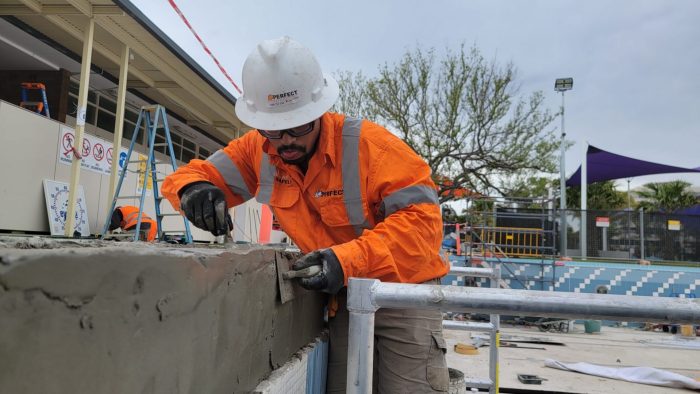
Structural repair contractors utilize a variety of techniques to repair damaged structures, ranging from traditional methods to innovative technologies. Choosing the right technique is crucial to ensure the effectiveness and longevity of the repair.
Carbon Fiber Reinforcement
Carbon fiber reinforcement is a popular technique used by structural repair contractors to strengthen and repair damaged concrete structures. Carbon fiber sheets are applied to the surface of the structure and bonded with a high-strength epoxy resin, providing additional strength and durability.
Epoxy Injection
Epoxy injection is another common method used to repair cracks in concrete structures. By injecting epoxy into the cracks, contractors can fill and seal the damaged areas, restoring the structural integrity of the building. This technique is particularly effective for repairing foundation walls and concrete slabs.
External Post-Tensioning
External post-tensioning is a technique where high-strength steel tendons are installed externally to reinforce and strengthen concrete structures. This method is often used to repair buildings with significant structural damage or to increase the load-carrying capacity of existing structures.
Fiber Reinforced Polymers (FRP)
Fiber reinforced polymers, such as glass or carbon fibers, are increasingly being used in structural repair projects. These materials are lightweight, corrosion-resistant, and have high tensile strength, making them ideal for strengthening and repairing concrete, steel, and masonry structures.
Importance of Choosing the Right Technique
It is essential for structural repair contractors to assess the type and extent of damage before selecting a repair technique. Choosing the right method ensures that the repair is effective, long-lasting, and minimizes the risk of future structural issues. By evaluating the specific needs of each project, contractors can determine the most suitable technique for the repair job.
Safety Measures and Regulations
When it comes to structural repair projects, ensuring safety is paramount for both the workers and the occupants of the building. Structural repair contractors must adhere to strict safety measures and regulations to prevent accidents and injuries on job sites.
Safety Measures on Job Sites
- Provide proper training to all workers on safe work practices and procedures.
- Ensure all workers wear appropriate personal protective equipment (PPE) at all times.
- Implement fall protection measures for working at heights, such as guardrails and harnesses.
- Regularly inspect and maintain tools and equipment to prevent malfunctions.
- Establish emergency response procedures and have first aid kits readily available.
Regulatory Requirements and Standards
- Structural repair work must comply with local building codes and regulations to ensure the safety and stability of the structure.
- Contractors must follow OSHA (Occupational Safety and Health Administration) regulations and guidelines to maintain a safe work environment.
- Certifications such as ACI (American Concrete Institute) and ICC (International Code Council) may be required depending on the scope of the project.
Best Practices for Ensuring Safety
- Conduct thorough risk assessments before starting any repair work to identify potential hazards.
- Communicate effectively with all workers to ensure everyone is aware of safety protocols and procedures.
- Regularly review and update safety policies and procedures to reflect industry best practices.
- Encourage a culture of safety among all workers by promoting awareness and accountability.
Cost Estimation and Budgeting
When it comes to structural repair projects, cost estimation and budgeting play a crucial role in ensuring the success of the work. Structural repair contractors use various methods to estimate costs, taking into account several factors that can influence the overall budget.
Here, we will delve into how contractors estimate costs, discuss the factors that impact budgeting, and provide tips for clients on effective budgeting for structural repair work.
Estimating Costs
Estimating costs for structural repair projects involves a detailed assessment of the scope of work required. Contractors typically consider the following factors:
- The extent of the damage or deterioration: The severity of the structural issues will have a direct impact on the cost of repairs.
- Materials and labor costs: The type of materials needed and the labor required for the project will influence the overall cost.
- Equipment and technology: Specialized equipment or technologies may be necessary for certain repair techniques, adding to the cost.
- Permitting and regulatory requirements: Compliance with building codes and regulations can affect the budget.
- Contingency for unforeseen circumstances: Contractors include a contingency fund to cover any unexpected issues that may arise during the project.
Factors Influencing Budgeting
Several factors can influence the budgeting process for structural repair projects, such as:
- Size and complexity of the project: Larger or more complex projects will generally require a higher budget.
- Timeline: The urgency of the repairs and the project timeline can impact the budget due to expedited work or overtime costs.
- Location and accessibility: Projects in remote or difficult-to-access areas may incur higher transportation and logistics costs.
- Contractor expertise and reputation: Experienced contractors with a solid reputation may charge higher fees for their services.
- Market conditions: Fluctuations in material prices and labor costs can affect the overall budget of the project.
Tips for Effective Budgeting
To budget effectively for structural repair work, clients can consider the following tips:
- Obtain multiple quotes from different contractors to compare costs and services offered.
- Communicate clearly with the contractor regarding budget constraints and expectations for the project.
- Prioritize essential repairs to address immediate safety concerns before tackling cosmetic or non-essential upgrades.
- Allocate a contingency fund for unexpected expenses that may arise during the project.
- Regularly monitor the progress of the project to ensure it stays within budget and timeline.
Case Studies and Success Stories
In this section, we will delve into real-life case studies and success stories within the structural repair industry, showcasing challenging projects and exemplary contractors who have excelled in their work.
Challenging Structural Repair Project Case Study
- A commercial building in downtown was facing severe foundation issues, leading to structural instability.
- The structural repair contractor conducted a thorough assessment and devised a comprehensive repair plan.
- Utilizing innovative techniques and specialized equipment, the team successfully stabilized the foundation and restored the building's structural integrity.
- The project was completed within the specified timeline and budget, exceeding the client's expectations.
Exemplary Structural Repair Contractor Success Story
- ABC Structural Repair Company has been a prominent player in the industry for over two decades, known for their expertise and reliability.
- They have successfully completed numerous complex projects, ranging from historical building restoration to modern structural reinforcements.
- Their commitment to quality workmanship and customer satisfaction has earned them accolades and repeat business from satisfied clients.
Lessons Learned from Past Projects
- Effective communication with clients and stakeholders is crucial for project success, ensuring clarity and alignment on goals and expectations.
- Regular inspections and maintenance are essential to prevent structural issues from escalating, emphasizing the importance of proactive measures.
- Adapting to new technologies and techniques can enhance efficiency and accuracy in structural repair work, keeping contractors ahead of the curve.
Last Recap
In conclusion, selecting experienced and qualified structural repair contractors is essential for the smooth execution of any construction project. Their expertise, adherence to safety regulations, and cost-effective solutions can truly make a difference in the outcome. Make sure to choose your team wisely for your structural repair needs.
FAQs
What are the typical tasks performed by structural repair contractors?
Structural repair contractors handle tasks such as foundation repairs, concrete restoration, structural reinforcement, and waterproofing.
What qualifications and certifications do structural repair contractors need?
Contractors need certifications like ACI (American Concrete Institute) and qualifications in structural engineering or construction management.
How do structural repair contractors estimate project costs?
They consider factors like materials, labor, equipment, permits, and project complexity to provide accurate cost estimates.
What safety measures should structural repair contractors follow on job sites?
Contractors must adhere to OSHA regulations, use proper safety equipment, conduct regular inspections, and prioritize worker safety.