Exploring the realm of Energy-Efficient Roofing Solutions for Sustainable Homes unveils a world of innovation and eco-friendly practices that are reshaping the way we think about our roofs. From cutting-edge materials to revolutionary technologies, this guide delves into the key components that make sustainable roofing a smart choice for homeowners looking to reduce their carbon footprint and save on energy costs.
As we journey through the different aspects of energy-efficient roofing, we will uncover the secrets behind cool roofing technology, the power of solar roofing systems, and the beauty of green roofing practices. Get ready to discover how you can transform your home into a sustainable oasis with these forward-thinking solutions.
Energy-Efficient Roofing Materials
Energy-efficient roofing materials play a crucial role in maintaining a sustainable home. These materials are designed to reduce energy consumption, lower utility costs, and minimize environmental impact.
Types of Energy-Efficient Roofing Materials
- Solar Panels:Solar panels are a popular choice for energy-efficient roofing. They harness the sun's energy to generate electricity, reducing reliance on the grid.
- Green Roofs:Green roofs are covered with vegetation, providing natural insulation and reducing heat absorption, which helps in maintaining indoor temperatures.
- Metal Roofs:Metal roofs are durable and reflective, keeping the house cool by reflecting sunlight. They are also recyclable, making them a sustainable option.
- Cool Roofs:Cool roofs are designed to reflect sunlight and absorb less heat, reducing the need for air conditioning and lowering energy costs.
Benefits of Energy-Efficient Roofing Materials
- Reduce energy consumption
- Lower utility bills
- Minimize environmental impact
- Enhance indoor comfort
Comparison with Traditional Roofing Materials
Traditional roofing materials like asphalt shingles absorb heat and contribute to the urban heat island effect, increasing energy usage for cooling. In contrast, energy-efficient roofing materials like metal roofs and cool roofs reflect heat and reduce cooling needs.
Examples of Sustainable Roofing Materials
- Bamboo:Bamboo is a renewable resource that can be used for roofing, providing natural insulation and reducing energy consumption.
- Recycled Shingles:Shingles made from recycled materials like plastic or rubber offer durability and energy efficiency.
Cool Roofing Technology
Cool roofing technology refers to roofing materials and systems that are designed to reflect sunlight and absorb less heat, keeping the building cooler. This technology helps reduce the heat absorbed by the roof, minimizing the transfer of heat into the building and ultimately lowering energy consumption for cooling.
Impact of Cool Roofing on Energy Consumption
Cool roofing can significantly reduce the need for air conditioning in homes, especially in hot climates. By reflecting sunlight and heat away from the building, cool roofs can lower indoor temperatures, reducing the demand for cooling systems. This can lead to lower energy bills and decreased carbon emissions associated with cooling.
- Cool roofing can reduce energy consumption for cooling by up to 15% in some cases.
- Lowering energy consumption can also extend the lifespan of cooling equipment, reducing maintenance costs.
- Decreased energy usage for cooling helps lower overall carbon footprint and contributes to sustainability efforts.
Criteria for Cool Roofing Materials
For a roofing material to be classified as "cool," it must meet certain criteria regarding solar reflectance and thermal emittance. Solar reflectance refers to the ability of the material to reflect sunlight, while thermal emittance measures how well the material releases absorbed heat.
Cool roofing materials typically have high solar reflectance and high thermal emittance values.
- Materials with a Solar Reflectance Index (SRI) of 29 or higher are considered cool roofing materials.
- Cool roofing materials should also have high thermal emittance values, ideally above 0.75.
- Common cool roofing materials include white coatings, reflective tiles, and metal roofs.
Examples of Cool Roofing Solutions
There are several cool roofing solutions available that offer sustainability benefits beyond energy efficiency. Examples include:
- Green roofs, which feature vegetation that helps reduce heat absorption and provides additional insulation.
- Solar reflective shingles, which are designed to reflect sunlight and reduce heat transfer into the building.
- Cool roof coatings, which can be applied to existing roofs to improve solar reflectance and thermal emittance.
Solar Roofing Systems
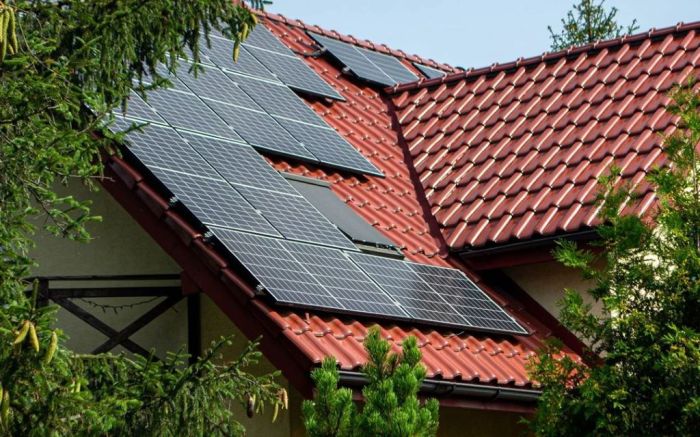
Solar roofing systems are an innovative way to harness the power of the sun to generate electricity for homes. By integrating solar panels into roofing solutions, homeowners can significantly reduce their reliance on traditional energy sources, leading to greater energy efficiency and cost savings in the long run.
Installation Process and Maintenance
When it comes to installing solar roofing systems, it is essential to consult with professionals who specialize in solar panel installation. The process involves mounting the solar panels on the roof in a way that maximizes sunlight exposure. Regular maintenance is key to ensuring the optimal performance of solar panels, which may include cleaning debris, checking for any damage, and monitoring energy production.
Cost-Effectiveness
Investing in solar roofing may require an initial upfront cost, but it can lead to significant savings on energy bills over time. With various incentives and rebates available for solar panel installation, homeowners can recoup their investment faster and enjoy sustainable energy savings for years to come.
Environmental Benefits
Integrating solar panels into roofing solutions not only reduces energy consumption but also helps to lower greenhouse gas emissions. By generating clean, renewable energy from the sun, solar roofing systems contribute to a healthier environment and a more sustainable future for generations to come.
Green Roofing Practices
Green roofing practices involve the installation of vegetation, soil, and drainage layers on the roof of a building to create a living, green space. This sustainable roofing solution offers a range of environmental benefits and can significantly contribute to the overall energy efficiency of a home.
Benefits of Green Roofs
- Reduce Urban Heat Island Effect: Green roofs help lower the temperature of urban areas by absorbing sunlight and providing natural insulation, reducing the need for air conditioning.
- Stormwater Management: The vegetation on green roofs absorbs rainwater, reducing runoff and the strain on sewer systems during heavy rainfall.
- Improved Air Quality: Plants on green roofs capture pollutants and carbon dioxide, improving the air quality in the surrounding area.
- Extended Roof Lifespan: The vegetation layer protects the roof membrane from UV rays and extreme temperatures, extending the life of the roof.
Impact on Indoor Temperature Regulation and Energy Consumption
Green roofs act as an insulating layer, reducing heat transfer through the roof and helping maintain a more stable indoor temperature. This can lead to decreased energy consumption for heating and cooling, resulting in cost savings for homeowners. Studies have shown that green roofs can reduce energy use for heating and cooling by up to 25%.
Examples of Successful Green Roofing Projects
- The Chicago City Hall green roof project, which covers 38,800 square feet, has reduced energy consumption by 10% in the building.
- The Ford Rouge Center in Michigan has a 454,000 square foot green roof, reducing stormwater runoff by up to 4.4 million gallons annually.
- The California Academy of Sciences in San Francisco has a 2.5-acre living roof, which provides insulation and reduces energy use by up to 10%.
Final Review
In conclusion, Energy-Efficient Roofing Solutions for Sustainable Homes offer a beacon of hope for environmentally-conscious individuals seeking to make a positive impact on the planet. By embracing these innovative technologies and practices, we not only create more energy-efficient homes but also contribute to a greener future for generations to come.
Let's continue to strive for sustainability in every aspect of our lives, starting from the top down - with our roofs.
FAQ
Are energy-efficient roofing materials more expensive than traditional options?
While the initial cost may be slightly higher, the long-term savings on energy bills and the environmental benefits far outweigh the upfront investment.
How do green roofs contribute to energy efficiency in homes?
Green roofs provide natural insulation, reducing the need for heating and cooling, thereby lowering energy consumption in homes.
What are the maintenance requirements for solar roofing systems?
Solar roofing systems generally require minimal maintenance, with occasional checks for debris or damage to ensure optimal performance.
Can cool roofing technology be applied to any type of roof?
Cool roofing technology can be adapted to most roofing materials, providing energy-saving benefits regardless of the roof's composition.