Embark on a journey towards a smarter, safer home with the essential gadgets highlighted in this guide. From smart locks to health monitoring devices, discover how these innovations can revolutionize your living space.
Explore the realm of smart technology and its impact on home security, energy efficiency, automation, and health monitoring for a truly modern living experience.
Essential Gadgets for Home Security
Ensuring the safety and security of our homes is a top priority for many homeowners. With the advancement of technology, there are now various gadgets available to enhance home security and provide peace of mind.
Smart Locks
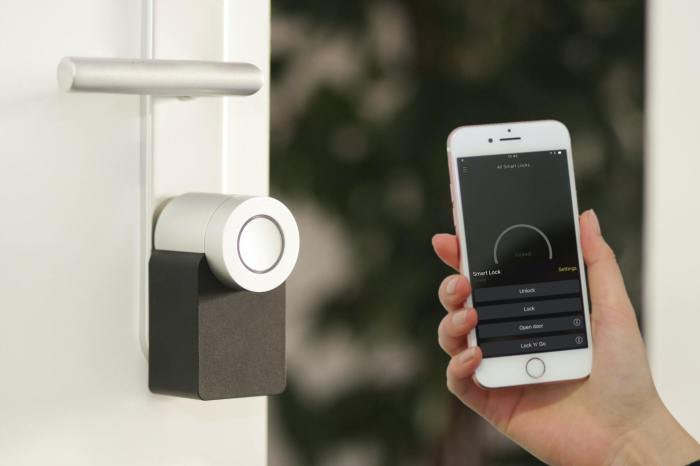
Smart locks play a crucial role in enhancing home security by providing keyless entry and remote access control. These locks can be easily integrated into existing smart home systems, allowing homeowners to monitor and control access to their homes from anywhere via a smartphone app.
Video Doorbells
Video doorbells serve as a great tool for monitoring visitors and enhancing safety. With features like two-way audio and motion detection, homeowners can see and communicate with visitors at their doorstep, even when they are not at home. This helps deter potential intruders and provides valuable footage in case of any security incidents.
Traditional Security Cameras vs. Smart Security Cameras
Traditional security cameras are typically wired and require manual monitoring, while smart security cameras offer wireless connectivity and advanced features such as facial recognition, night vision, and cloud storage. Smart cameras can be easily integrated into smart home systems for seamless monitoring and recording of activities both inside and outside the home.
Smart Sensors
Smart sensors are essential in detecting intrusion or environmental changes in a home. These sensors can detect motion, temperature fluctuations, and even water leaks, sending real-time alerts to homeowners via smartphone notifications. By installing smart sensors in key areas of the home, homeowners can proactively address security threats and prevent potential damages.
Smart Lighting and Energy Efficiency
Smart lighting plays a crucial role in creating a safer and more energy-efficient home environment. By utilizing smart light bulbs, motion sensor lights, smart thermostats, and smart plugs, homeowners can not only enhance their security but also optimize energy usage and reduce costs.
Benefits of Smart Light Bulbs
Smart light bulbs offer several benefits for homeowners looking to create a safer home environment. These bulbs can be controlled remotely through a mobile app, allowing users to turn lights on and off even when they are away from home.
This feature helps deter potential intruders by giving the impression that someone is present in the house.
Motion Sensor Lights for Security and Energy Efficiency
Motion sensor lights are an excellent addition to any home security system. These lights automatically turn on when motion is detected, illuminating the surroundings and alerting homeowners to any potential threats. Additionally, motion sensor lights help conserve energy by only turning on when needed, reducing electricity consumption.
Role of Smart Thermostats in Energy Optimization
Smart thermostats are designed to optimize energy usage by regulating the temperature based on the homeowners' preferences and schedule. These devices can learn the household's heating and cooling patterns, adjusting settings to maximize comfort while minimizing energy waste. By using a smart thermostat, homeowners can save on energy costs and reduce their environmental impact.
Enhancing Convenience with Smart Plugs
Smart plugs allow homeowners to control the power supply to connected devices remotely. This feature not only enhances convenience by enabling users to turn devices on or off with a simple voice command but also helps in managing energy consumption.
By scheduling power cycles for appliances and electronics, homeowners can reduce standby power usage and save on electricity bills.
Home Automation Systems
Home automation systems are becoming increasingly popular for their ability to streamline tasks, enhance convenience, and improve overall home efficiency. These systems allow users to control various smart devices and appliances from a centralized hub or through voice commands, making it easier to manage different aspects of a smart home.
Popular Home Automation Hubs and Functionalities
- Amazon Echo: Known for its virtual assistant, Alexa, the Amazon Echo can connect and control a wide range of smart home devices, such as lights, thermostats, and security cameras. It also allows users to create routines and automate tasks based on specific triggers.
- Google Home: With Google Assistant at its core, Google Home offers similar functionalities to the Amazon Echo, allowing users to control smart home devices, play music, and answer questions through voice commands. It also integrates seamlessly with other Google services.
- Apple HomeKit: Designed for Apple users, HomeKit provides a secure platform to control smart home devices using Siri voice commands. It offers advanced automation features based on location, time of day, or sensor inputs.
Voice Assistants Integration with Smart Home Devices
Voice assistants like Alexa and Google Assistant play a crucial role in integrating with smart home devices, enabling users to control their devices through simple voice commands. By connecting these assistants to various smart devices, users can turn on lights, adjust thermostats, lock doors, and even play music without having to lift a finger.
Advantages of Centralized Smart Home Control System
- Convenience: Having a centralized smart home control system allows users to manage all their devices from one platform, making it easier to monitor and adjust settings without switching between different apps.
- Efficiency: By automating routines and setting schedules, a centralized system can help save energy and streamline daily tasks, ultimately making the home more efficient.
- Customization: Users can personalize their smart home experience by creating unique routines, setting preferences, and integrating different devices to work seamlessly together.
Potential Challenges and Security Risks
- Privacy Concerns: As smart home devices collect data on user behaviors and preferences, there is a risk of this information being compromised or misused, raising privacy concerns.
- Interoperability Issues: Not all smart devices are compatible with each other or with different home automation hubs, leading to potential challenges in creating a cohesive smart home ecosystem.
- Cybersecurity Threats: With the increasing connectivity of smart home devices, there is a higher risk of cyberattacks and unauthorized access to sensitive information, highlighting the importance of implementing robust security measures.
Health and Safety Monitoring Devices
Smart home technology extends beyond convenience to encompass health and safety monitoring devices that play a crucial role in safeguarding your home and loved ones.
Smart Smoke Detectors
Smart smoke detectors are equipped with advanced features such as mobile alerts, interconnectivity with other smart devices, and self-testing capabilities. These detectors provide early detection of smoke, fire, and carbon monoxide, ensuring prompt evacuation and minimizing property damage.
Smart Carbon Monoxide Detectors
Smart carbon monoxide detectors continuously monitor carbon monoxide levels in your home, alerting you to dangerous concentrations that could lead to poisoning. With features like voice alerts and mobile notifications, these detectors provide peace of mind and help prevent potentially fatal outcomes.
Air Quality Monitors
Air quality monitors measure indoor air pollutants such as volatile organic compounds (VOCs), particulate matter, and humidity levels. By monitoring and analyzing air quality data, these devices help you maintain a healthy indoor environment, reducing the risk of respiratory issues and other health problems.
Smart Water Leak Detectors
Smart water leak detectors use sensors to detect water leaks and notify you immediately to prevent water damage. By placing these detectors near appliances, pipes, or areas prone to leaks, you can take timely action to minimize costly repairs and protect your home from water-related issues.
Closure
As we conclude this discussion on essential gadgets for a smarter, safer home, remember that investing in these devices not only enhances convenience but also provides invaluable peace of mind. Take the leap into the future of home living with these innovative solutions at your fingertips.
FAQs
How do smart sensors enhance home security?
Smart sensors can detect intrusion or environmental changes, alerting homeowners to potential threats in real-time.
What are the benefits of using smart light bulbs?
Smart light bulbs contribute to a safer home environment by allowing remote control, scheduling, and energy efficiency.
Which popular home automation hubs are commonly used?
Popular choices include hubs like SmartThings, Wink, and Apple HomeKit, each offering unique functionalities for smart home control.
Why are smart smoke detectors important for home safety?
Smart smoke detectors provide early detection of fires, offering crucial time for evacuation and minimizing potential damage.
How do smart water leak detectors prevent water damage?
Smart water leak detectors alert homeowners to leaks or flooding, allowing prompt action to mitigate water damage and costly repairs.