Exploring the intricacies of selecting the optimal roofing material for various climates, this introduction sets the stage for an informative and engaging discussion. It delves into the factors that play a crucial role in determining the most suitable roofing materials based on different climate conditions.
From the scorching heat of hot regions to the icy chill of cold climates, the choice of roofing material can significantly impact the longevity and performance of a roof. Understanding these dynamics is essential in ensuring the durability and functionality of your roof.
Factors to Consider
When choosing roofing materials, it is crucial to consider the climate of the area where the building is located. The climate plays a significant role in determining the performance and longevity of roofing materials, as different weather conditions can impact how well a roof holds up over time.
Temperature
The temperature of a region can greatly affect the choice of roofing material. In hot climates, materials that reflect sunlight and heat, such as metal or clay tiles, are ideal to keep the interior cool. On the other hand, in colder climates, materials like asphalt shingles or wood shakes provide better insulation to retain heat.
Humidity
High humidity levels can accelerate the deterioration of certain roofing materials, such as wood or asphalt shingles. In humid climates, it is important to choose materials that are resistant to mold and rot, like metal or slate.
Precipitation
The amount and type of precipitation in an area can impact the durability of roofing materials. In regions with heavy rainfall or snow, materials that are waterproof and resistant to moisture, such as concrete tiles or metal roofs, are recommended to prevent water damage and leaks.
Examples of Roofing Materials
- Hot Climates:Consider materials like metal, clay tiles, or solar tiles for their heat-reflective properties.
- Cold Climates:Asphalt shingles, wood shakes, or metal roofs with proper insulation are suitable choices.
- Humid Climates:Opt for materials like metal, slate, or concrete tiles that are resistant to mold and rot.
- Wet Climates:Choose waterproof materials such as concrete tiles, metal roofs, or synthetic roofing materials.
Roofing Materials for Hot Climates
When it comes to choosing roofing materials for hot climates, it's essential to consider the impact of intense sunlight and high temperatures on the roof's durability and energy efficiency. Selecting the right material can help maintain a comfortable indoor temperature, reduce energy costs, and prolong the lifespan of your roof.
Characteristics of Roofing Materials Suitable for Hot Climates
In hot climates, it is crucial to choose roofing materials that reflect sunlight and heat to prevent heat absorption and keep the interior of the building cool. Materials with high solar reflectance and thermal emittance are ideal for hot regions as they can reduce the heat island effect and lower cooling costs.
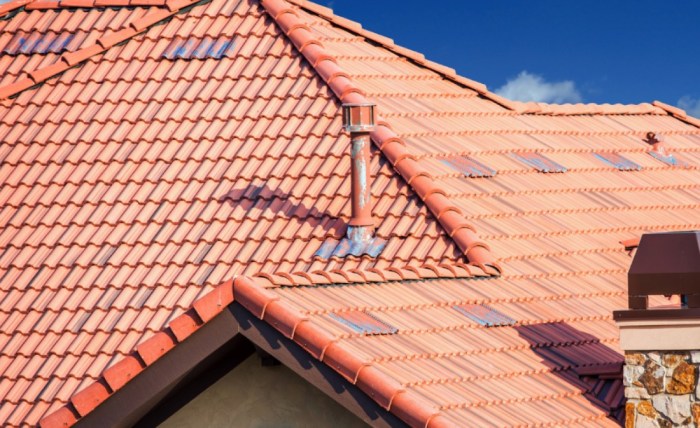
- Clay Tiles: Clay tiles are a popular choice for hot climates due to their natural insulating properties and ability to reflect sunlight. They are durable, fire-resistant, and provide excellent thermal performance.
- Metal Roofs: Metal roofs are another great option for hot climates as they have high solar reflectance and can efficiently radiate heat. They are lightweight, durable, and can withstand extreme weather conditions.
- Cool Roofs: Cool roofs are designed to reflect more sunlight and absorb less heat than traditional roofing materials. They can help reduce energy consumption, improve indoor comfort, and extend the lifespan of the roof.
Choosing the Best Material for High-Temperature Areas
When selecting a roofing material for hot climates, consider factors such as durability, energy efficiency, maintenance requirements, and cost. It's essential to choose a material that can withstand prolonged exposure to sunlight, high temperatures, and strong winds while providing adequate insulation and reflecting heat to keep the building cool.
Roofing Materials for Cold Climates
When it comes to choosing roofing materials for cold climates, there are several important considerations to keep in mind. From insulation to durability in snowy conditions, selecting the right material is crucial for the comfort and safety of your home.Insulation and energy efficiency play a significant role in cold regions.
Proper insulation helps to maintain a consistent indoor temperature, reducing heat loss and energy bills. Look for roofing materials that offer good insulation properties to keep your home warm and cozy during the winter months.
Performance of Materials in Snowy Areas
In snowy areas, materials like asphalt shingles, slate, and wood shakes are commonly used for their durability and ability to withstand harsh weather conditions. Asphalt shingles are popular due to their affordability and ease of installation, making them a practical choice for cold climates.
Slate and wood shakes are known for their natural beauty and longevity, but they may require more maintenance to prevent damage from heavy snow loads.
Preventing Ice Dams and Snow Buildup
To prevent ice dams and snow buildup on roofs, proper ventilation and insulation are essential. Ensure that your attic is well-ventilated to maintain a consistent temperature on the roof surface and prevent snow from melting and refreezing. Additionally, installing a snow guard or heat cable along the eaves can help prevent ice dams from forming and causing damage to your roof.
Roofing Materials for Humid Climates
When it comes to humid climates, roofs face unique challenges due to the excess moisture in the air. This can lead to issues like mold growth, rotting, and deterioration of roofing materials over time. Therefore, it is crucial to choose the right roofing materials that can withstand these conditions and provide adequate protection for your home
Best Materials for Humid Climates
- Concrete Tiles: Concrete tiles are a popular choice for humid climates as they are durable, fire-resistant, and have excellent moisture resistance. They can withstand the constant exposure to moisture without deteriorating quickly.
- Metal Roofs: Metal roofs are another great option for humid regions as they are highly resistant to moisture and mold growth. They are also lightweight and have a long lifespan, making them a cost-effective choice in the long run.
- Composite Shingles: Composite shingles are made from a mixture of materials like asphalt, fiberglass, and recycled materials. They offer good moisture resistance and are available in a variety of styles and colors to suit different aesthetic preferences.
Maintenance Tips for Humid Climates
- Regular Inspections: It is essential to inspect your roof regularly for any signs of damage or mold growth. Addressing issues early can prevent them from worsening and causing more significant problems.
- Cleaning Gutters: Keep your gutters clean and free from debris to ensure proper drainage and prevent water from accumulating on your roof. Clogged gutters can lead to water seepage and damage to the roof structure.
- Ventilation: Good ventilation is crucial in humid climates to allow moisture to escape from the attic and prevent condensation buildup. Proper ventilation can help extend the life of your roof and reduce the risk of mold growth.
Roofing Materials for Mixed Climates
When considering roofing materials for regions with mixed climates, it is essential to choose options that can withstand a wide range of weather conditions. These areas may experience both hot summers and cold winters, as well as fluctuating temperatures throughout the year.
Therefore, durability, energy efficiency, and aesthetic appeal are crucial factors to balance when selecting the right roofing material.
Versatile Roofing Materials
In mixed climates, materials like standing seam metal roofs or synthetic slate can offer versatility to adapt to varying weather conditions. Metal roofs are durable and can reflect sunlight, helping to keep the interior of a home cool during hot summers.
On the other hand, synthetic slate provides a classic look while being lightweight and resistant to cracking in cold temperatures.
- Standing seam metal roofs: These roofs are long-lasting and energy-efficient, making them suitable for both hot and cold climates. They can also be coated to enhance their reflective properties.
- Synthetic slate: This material combines the aesthetic appeal of traditional slate with added durability and weather resistance. It is a great option for mixed climates where temperature fluctuations are common.
Adaptable Roofing Options
When choosing roofing materials for mixed climates, it is important to select options that can adapt to changing weather patterns. Some examples of adaptable roofing materials include:
- Composite shingles: These shingles are designed to mimic the look of natural materials like wood or slate while offering improved durability and weather resistance. They can withstand both hot summers and cold winters.
- Concrete tiles: Concrete tiles are a sturdy option that can provide insulation in cold weather and reflect sunlight in hot weather. They are a versatile choice for regions with mixed climates.
Final Review
In conclusion, the process of selecting the best roofing material for every climate involves a careful evaluation of climate-specific factors and considerations. By choosing the right material tailored to the environmental conditions, homeowners can enhance the resilience and efficiency of their roofs, ultimately leading to long-term benefits and peace of mind.
FAQ Section
Can I use the same roofing material in different climates?
It's not recommended as different climates can have varying effects on roofing materials. It's best to choose materials suited to the specific climate conditions.
How can I prevent ice dams on my roof in cold climates?
Ensuring proper insulation and ventilation can help prevent ice dams from forming on your roof in cold climates.
Are cool roofs a good option for hot climates?
Cool roofs can be an excellent choice for hot climates as they reflect sunlight and heat, helping to keep the building cool and reduce energy costs.
Do metal roofs perform well in humid climates?
Metal roofs can be a good option for humid climates as they are resistant to moisture and mold, which are common challenges in such regions.
What are the advantages of synthetic slate roofing material in mixed climates?
Synthetic slate offers durability and versatility, making it a great choice for regions with fluctuating weather conditions.