Exploring the pivotal role of 3D modeling in residential design planning unveils a world where innovation and creativity converge to shape the future of architectural endeavors. From enhancing visualization to streamlining collaboration, the influence of 3D modeling is profound and multifaceted.
The importance of 3D modeling in residential design planning
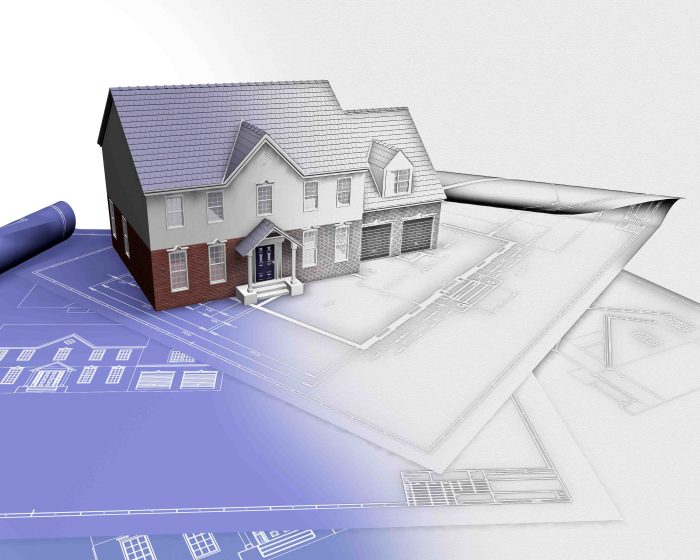
3D modeling plays a crucial role in residential design planning by enhancing visualization, identifying design flaws early, and engaging clients in the design process.
Enhanced Visualization
3D modeling allows designers to create realistic representations of their design concepts, offering clients a clear understanding of the final outcome. By visualizing the project in 3D, clients can better comprehend spatial relationships, scale, and overall aesthetics.
Early Identification of Design Flaws
Through 3D modeling, designers can detect potential design flaws at an early stage of the planning process. By simulating the project in a virtual environment, issues such as structural inconsistencies, improper lighting, or spatial constraints can be identified and rectified before construction begins.
Facilitating Client Engagement and Approval
3D modeling enables designers to present their ideas in a compelling and interactive manner, engaging clients in the design process. Clients can explore different design options, visualize the project from various angles, and provide feedback for modifications. This collaborative approach increases client satisfaction and ensures that the final design meets their expectations.
Tools and software for 3D modeling in residential design planning
When it comes to 3D modeling in residential design planning, the choice of software plays a crucial role in the efficiency and accuracy of the process.
Popular 3D modeling software for residential design planning
Various software options are available for 3D modeling in residential design planning, each with its own set of features and capabilities.
- AutoCAD Architecture: Known for its precision and ability to create detailed architectural designs, making it suitable for residential projects.
- SketchUp: Offers a user-friendly interface and a wide range of plugins that cater to residential design needs, allowing for quick and easy modeling.
- Revit: Specifically designed for building information modeling (BIM), making it ideal for creating complex residential designs with detailed information.
Features that make certain software more suitable for residential design projects
Each software has unique features that make it more suitable for residential design projects based on specific requirements.
- AutoCAD Architecture: Advanced tools for precision modeling, drafting, and documentation, essential for residential design accuracy.
- SketchUp: Intuitive interface and extensive library of components ideal for creating quick conceptual designs in residential projects.
- Revit: Parametric modeling capabilities and BIM functionality for creating detailed and data-rich residential designs that can be easily modified.
Comparison of different tools and software options
When comparing tools and software options for 3D modeling in residential design planning, factors such as ease of use and compatibility with design requirements are crucial considerations.
| Software | Ease of Use | Compatibility |
|---|---|---|
| AutoCAD Architecture | Highly precise but may have a steeper learning curve | Compatible with various file formats and industry standards |
| SketchUp | Intuitive and beginner-friendly | Compatible with 3D printing and VR applications |
| Revit | Complex interface but powerful once mastered | Best for BIM workflows and collaboration in large-scale residential projects |
Integration of 3D modeling with other design elements
D modeling plays a crucial role in the integration of various design elements in residential projects, helping architects and designers visualize their ideas effectively.
Architectural Plans and Blueprints
- 3D modeling allows architects to bring their 2D architectural plans and blueprints to life in a realistic and detailed manner.
- By integrating 3D models with architectural plans, designers can easily identify potential design flaws and make necessary adjustments before construction begins.
- It helps clients and stakeholders better understand the project, leading to improved communication and collaboration throughout the design process.
Interior Design Elements
- Integrating 3D modeling with interior design elements enables designers to visualize and experiment with different furniture layouts, color schemes, and textures.
- Designers can create virtual walkthroughs of interior spaces, allowing clients to experience the look and feel of the design before implementation.
- By incorporating 3D models of interior elements, designers can achieve a cohesive and harmonious design that seamlessly integrates with the overall architectural concept.
Cohesive Design Concepts
- 3D modeling helps in creating cohesive design concepts by ensuring consistency across different elements of a residential project, such as architecture, interior design, and landscaping.
- Designers can easily test various design options and make informed decisions based on how different elements interact within the 3D model.
- By using 3D modeling, designers can achieve a unified and well-coordinated design that meets the functional and aesthetic requirements of the project.
Collaborative aspects of 3D modeling in residential design planning
D modeling plays a crucial role in fostering collaboration among architects, designers, and clients throughout the residential design planning process. By providing a visual representation of the project, it enhances communication, feedback, and teamwork.
Facilitating Collaboration
- 3D modeling allows architects, designers, and clients to visualize the proposed design in a realistic manner, leading to better understanding and alignment on project goals.
- Through virtual walkthroughs and flyovers, stakeholders can explore the design from different perspectives, enabling them to provide valuable input and suggestions.
- Collaboration in 3D modeling encourages active participation and engagement, as all parties can contribute ideas and make adjustments in real-time.
Streamlining Communication and Feedback Loops
- By having a shared 3D model, communication barriers are minimized, and misunderstandings are reduced, leading to more effective discussions and decision-making.
- Feedback loops are accelerated with 3D modeling, as changes can be easily implemented and visualized, allowing for quick iterations and improvements based on input from all stakeholders.
- Real-time annotations and markups on the 3D model enable clear communication of design revisions and preferences, ensuring everyone is on the same page.
Enhancing Teamwork and Project Efficiency
- Collaborative tools within 3D modeling software, such as cloud-based platforms and version control systems, promote seamless collaboration among team members working on the same project.
- Shared access to the 3D model ensures that all changes are instantly visible to everyone involved, fostering a cohesive approach to design development.
- Team members can collaborate remotely, regardless of their physical location, increasing flexibility and productivity in the design planning phase.
Outcome Summary
In conclusion, the integration of 3D modeling in residential design planning not only revolutionizes the way projects are conceived and executed but also paves the way for a more efficient and interactive design process. As technology continues to evolve, the possibilities within this realm are endless, promising exciting opportunities for architects, designers, and clients alike.
Frequently Asked Questions
How does 3D modeling enhance visualization in design planning?
3D modeling allows designers to create realistic representations of their ideas, enabling clients to visualize the final outcome more accurately.
What are some popular 3D modeling software used in residential design planning?
Software like SketchUp, AutoCAD, and Revit are commonly used for 3D modeling in residential design projects.
How can 3D modeling be integrated with architectural plans and blueprints?
By overlaying 3D models onto architectural plans, designers can ensure that the design aligns with the structure and layout envisioned.