Exploring the forefront of energy-efficient building designs in 2025 unveils a landscape of innovation and sustainability. From cutting-edge technologies to sustainable materials, the future of architecture is shaping up to be both efficient and environmentally conscious.
As we delve deeper into the realm of energy-efficient building designs, we uncover key features and trends that are set to revolutionize the construction industry in the coming years.
Current Trends in Energy Efficient Building Designs
Energy-efficient building designs have seen significant advancements in recent years, with a focus on sustainability and reducing environmental impact. These innovations are shaping the way buildings are constructed and operated, leading to a more sustainable future.
Latest Innovations in Energy-Efficient Building Designs
- Integration of smart technology: Buildings are now equipped with sensors and automation systems that optimize energy usage based on occupancy and environmental conditions.
- Use of renewable energy sources: Solar panels, wind turbines, and geothermal systems are increasingly being incorporated into building designs to reduce reliance on traditional energy sources.
- Advanced insulation materials: High-performance insulation materials help buildings retain heat in the winter and stay cool in the summer, reducing the need for heating and cooling systems.
Key Features of Energy-Efficient Buildings in 2025
- Net-zero energy consumption: Buildings are designed to produce as much energy as they consume, leading to a minimal carbon footprint.
- Green roofs and walls: Living roofs and walls not only improve insulation but also reduce heat island effect and improve air quality.
- Energy-efficient lighting and appliances: LED lighting, energy-efficient appliances, and smart controls help reduce electricity usage and lower energy bills.
Cutting-Edge Technology Influencing Building Designs
- Building information modeling (BIM): BIM software allows architects and engineers to simulate building performance and optimize energy efficiency before construction begins.
- Artificial intelligence (AI): AI-powered systems can analyze data in real-time to adjust building operations for maximum energy efficiency.
- Virtual reality (VR) and augmented reality (AR): VR and AR technologies are used for virtual tours of energy-efficient buildings, allowing stakeholders to visualize design concepts and performance metrics.
Sustainable Materials and Construction Techniques
In energy-efficient building designs, the choice of sustainable materials and construction techniques plays a crucial role in reducing environmental impact and improving energy efficiency.
- Bamboo: Known for its fast growth rate and renewability, bamboo is a popular choice for sustainable building designs. It is strong, durable, and can be used for various structural elements.
- Recycled Steel: Using recycled steel helps reduce the demand for virgin steel production, which is energy-intensive. It also minimizes waste and promotes a circular economy.
- Recycled Glass: Incorporating recycled glass into building materials reduces the need for raw materials extraction and helps divert glass waste from landfills.
- Straw Bales: A natural and renewable insulation material, straw bales offer excellent thermal performance and can contribute to energy savings in buildings.
Eco-friendly Construction Techniques
Eco-friendly construction techniques are essential for enhancing energy efficiency in buildings. These techniques focus on minimizing waste, reducing energy consumption, and promoting sustainable practices throughout the construction process.
- Passive Solar Design: Orienting buildings to maximize natural light and heat gain can reduce the need for artificial lighting and heating, leading to energy savings.
- Green Roofs: Installing green roofs with vegetation helps insulate buildings, reduce heat island effect, and improve air quality, contributing to energy efficiency.
- Optimal Insulation: Proper insulation of walls, roofs, and floors prevents heat loss or gain, reducing the energy required for heating and cooling the building.
Importance of Using Recycled Materials
Using recycled materials in sustainable building designs is crucial for minimizing resource depletion, reducing waste generation, and lowering carbon emissions associated with manufacturing processes. By incorporating recycled materials, builders can contribute to a more circular economy and promote environmental stewardship in the construction industry.
Smart Home Integration and Energy Management Systems
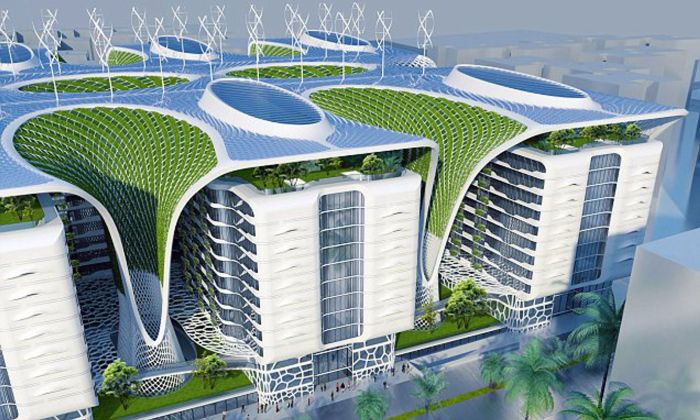
Smart home technologies are revolutionizing energy-efficient building designs by providing innovative solutions for optimizing energy consumption. These technologies allow for seamless integration of various systems within a building to enhance energy efficiency and sustainability.
Energy Management Systems
Energy management systems play a crucial role in optimizing energy consumption in buildings. These systems utilize advanced sensors, smart meters, and automation tools to monitor and control energy usage in real-time. By analyzing data and adjusting settings accordingly, energy management systems help reduce waste and improve overall efficiency.
- Smart Thermostats: Smart thermostats are programmable devices that regulate heating and cooling based on occupancy patterns and user preferences. By adjusting temperature settings automatically, these devices help minimize energy waste and reduce utility costs.
- Lighting Control Systems: Lighting control systems use sensors and timers to adjust lighting levels based on natural light availability and occupancy. By dimming or turning off lights when not needed, these systems contribute to significant energy savings.
- Smart Appliances: Energy-efficient appliances equipped with smart technology can communicate with energy management systems to optimize usage. For example, smart refrigerators can adjust cooling cycles based on usage patterns, leading to lower energy consumption.
Benefits of Smart Home Features
Incorporating smart home features into energy-efficient building designs offers numerous benefits, including:
- Enhanced Energy Efficiency: Smart home technologies help reduce energy waste and improve overall efficiency by optimizing energy consumption in real-time.
- Cost Savings: By monitoring and controlling energy usage, smart home features can lead to significant cost savings on utility bills over time.
- Comfort and Convenience: Automation and remote control capabilities provided by smart home technologies enhance comfort and convenience for building occupants.
Renewable Energy Sources in Building Designs
Renewable energy sources play a crucial role in creating energy-efficient buildings that are sustainable and environmentally friendly. By harnessing natural resources such as solar power, wind energy, and geothermal heat, buildings can reduce their reliance on traditional energy sources and minimize their carbon footprint.
Solar Panels
Solar panels are one of the most popular renewable energy options for buildings. They convert sunlight into electricity, providing a clean and sustainable source of power. Solar panels can be installed on rooftops or integrated into the design of the building itself, allowing for maximum energy generation.
- Solar panels are highly efficient and cost-effective in the long run, as they can significantly reduce electricity bills for building owners.
- They require minimal maintenance and have a long lifespan, making them a reliable source of renewable energy.
- Advancements in solar technology continue to improve efficiency and affordability, making solar panels an increasingly attractive option for energy-efficient building designs.
Wind Turbines
Wind turbines are another renewable energy source that can be integrated into building designs to generate electricity. By harnessing the power of the wind, buildings can supplement their energy needs and reduce their reliance on the grid.
- Wind turbines are particularly suitable for buildings located in areas with consistent wind patterns, such as coastal regions or open plains.
- They are a sustainable and environmentally friendly energy option, producing electricity without emitting harmful greenhouse gases.
- While initial costs may be higher compared to solar panels, wind turbines can provide significant long-term savings on energy bills.
Geothermal Heating and Cooling Systems
Geothermal heating and cooling systems utilize the natural heat stored beneath the earth's surface to regulate the temperature inside buildings. By circulating water through underground pipes, these systems can provide efficient heating in the winter and cooling in the summer.
- Geothermal systems are highly energy-efficient and can reduce heating and cooling costs by up to 50% compared to traditional HVAC systems.
- They have a long lifespan and require minimal maintenance, making them a cost-effective and sustainable option for building designs.
- While installation costs may be higher, the long-term savings and environmental benefits make geothermal systems an attractive choice for energy-efficient buildings.
Energy-Efficient Building Certifications and Standards
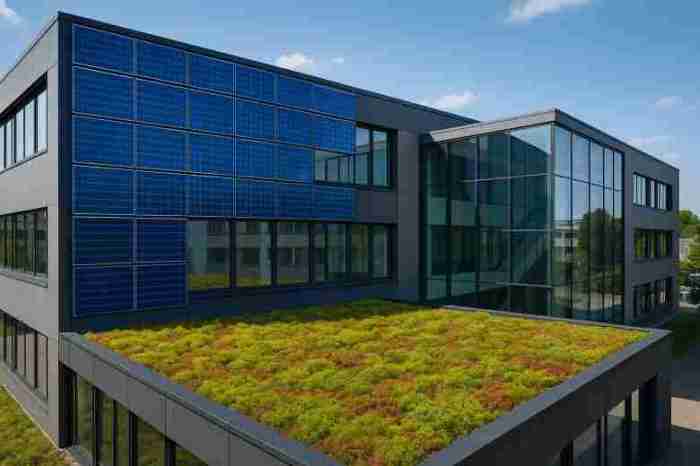
Energy-efficient building certifications and standards play a crucial role in promoting sustainable construction practices and reducing the environmental impact of buildings. By adhering to these certifications, builders and designers can ensure that their projects meet specific criteria aimed at improving energy efficiency and overall sustainability.
Most Recognized Certifications for Energy-Efficient Buildings in 2025
- LEED (Leadership in Energy and Environmental Design): Developed by the U.S. Green Building Council, LEED is one of the most widely recognized certifications for green buildings, focusing on energy efficiency, water savings, and overall environmental quality.
- BREEAM (Building Research Establishment Environmental Assessment Method): A certification system originating from the UK, BREEAM assesses the sustainability performance of buildings based on categories such as energy efficiency, materials used, and waste management.
- Passive House: This certification focuses on achieving ultra-low energy consumption in buildings through a combination of passive design strategies, high-performance insulation, and airtight construction.
Criteria and Standards Set by Organizations for Energy-Efficient Building Designs
- Energy Performance: Certifications typically require buildings to meet specific energy performance targets, often through the use of energy-efficient HVAC systems, insulation, and lighting.
- Sustainable Materials: Builders must use environmentally friendly materials with a low carbon footprint to reduce the overall environmental impact of the construction process.
- Water Efficiency: Certifications may also include criteria related to water conservation, such as the use of low-flow fixtures and rainwater harvesting systems.
Impact of Complying with Energy-Efficient Certifications
- Environmental Benefits: By meeting energy-efficient certifications, buildings can reduce their carbon footprint, decrease energy consumption, and contribute to overall environmental sustainability.
- Cost Savings: Energy-efficient buildings are designed to operate more efficiently, leading to lower utility bills and long-term cost savings for owners and occupants.
- Marketability: Buildings that achieve energy-efficient certifications often have higher market value and appeal to environmentally conscious tenants and buyers.
Final Review
In conclusion, the journey through the realm of top energy efficient building designs in 2025 showcases a promising future where sustainability and efficiency go hand in hand. With a focus on innovation and eco-conscious practices, the architectural landscape is poised for a greener tomorrow.
Questions and Answers
What are the most recognized certifications for energy-efficient buildings in 2025?
Some of the most recognized certifications include LEED (Leadership in Energy and Environmental Design), BREEAM (Building Research Establishment Environmental Assessment Method), and Green Globes.
How do smart home technologies contribute to energy-efficient building designs?
Smart home technologies help optimize energy consumption by allowing for remote control of lighting, heating, and cooling systems, as well as providing real-time energy usage data for efficient management.
What role do renewable energy sources like solar panels and wind turbines play in energy-efficient buildings?
Renewable energy sources such as solar panels and wind turbines help reduce reliance on traditional energy sources, thereby decreasing carbon footprint and promoting sustainability in building designs.